
International Women’s Day is celebrated every year on March 8, and it is a moment to recognize the achievements, resilience, and contributions of women across history, culture, and society. In the days leading up to International Women’s Day, many readers look for books by women that explore feminism, identity, and the diverse experiences of womanhood around the world.
One of the most meaningful ways to celebrate International Women’s Day is through literature. Books written by women allow us to discover new perspectives, understand lived experiences, and amplify voices that have shaped feminist thought, storytelling, and social change.
This list brings together 20 powerful books by women from diverse backgrounds and cultures. These novels, memoirs, essays, and works of literary fiction explore themes such as feminism, identity, resilience, resistance, and creativity. Together, they offer a broad view of womanhood across generations and continents, making them perfect reads to discover as International Women’s Day approaches.
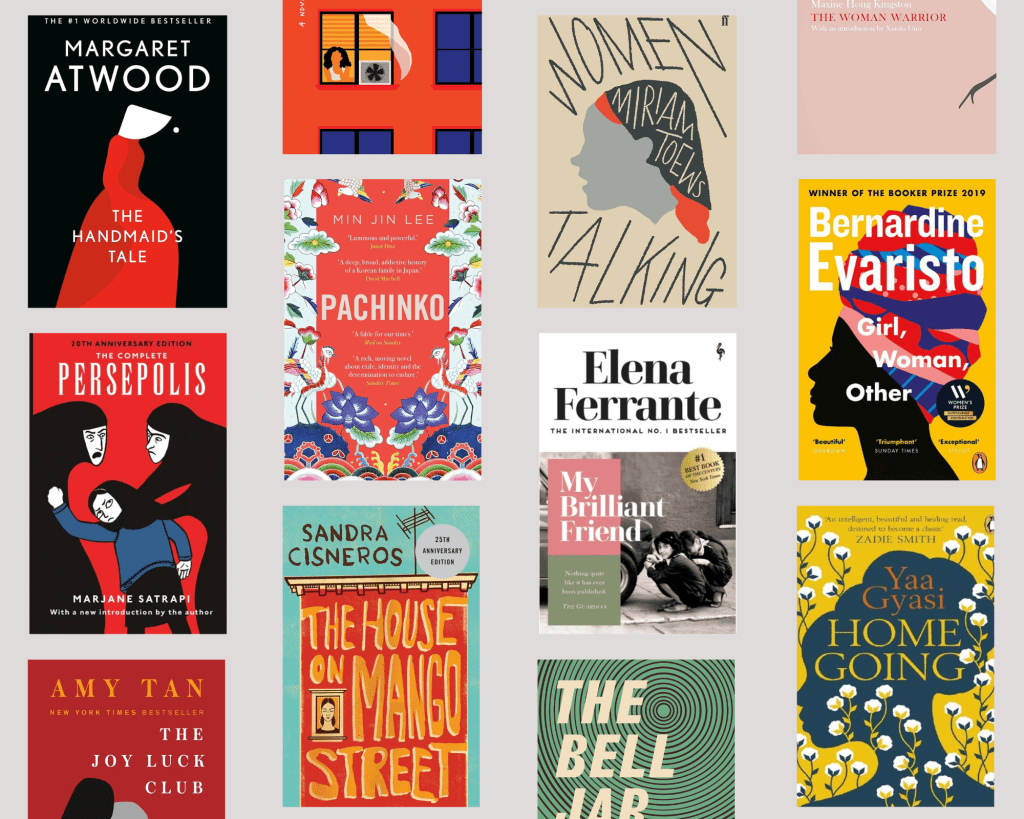
1. The Handmaid’s Tale by Margaret Atwood
Set in a dystopian future where women’s rights have been stripped away, this novel follows Offred as she navigates a regime that controls her body and identity.
- Themes and representation: Patriarchy, autonomy, resistance, reproductive rights.
- Written by: Margaret Atwood (Canada).
- Trigger warnings: Oppression, sexual violence, loss of bodily autonomy.
2. Girl, Woman, Other by Bernardine Evaristo
This Booker Prize winning novel weaves together the stories of twelve Black British women whose lives intersect across generations and identities.
- Themes and representation: Intersectionality, race, sexuality, identity, belonging.
- Written by: Bernardine Evaristo (UK).
- Trigger warnings: Racism, homophobia, trauma.
3. Persepolis by Marjane Satrapi
A graphic memoir about growing up during the Iranian Revolution, told through the eyes of a young girl who questions authority and identity.
- Themes and representation: War, coming of age, feminism, political identity.
- Written by: Marjane Satrapi (Iran/France).
- Trigger warnings: War, violence, political repression.
4. My Brilliant Friend by Elena Ferrante
A story of friendship between two girls growing up in postwar Naples. It explores ambition, class, and the complexity of womanhood over time.
- Themes and representation: Arab feminism, generational trauma, women’s agency.
- Written by: Etaf Rum (Palestine/USA), a Palestinian-American author.
- Trigger warnings: Domestic violence, oppression, trauma.
5. The Bell Jar by Sylvia Plath
A deeply personal novel that follows Esther Greenwood as she struggles with identity, expectations, and mental health.
- Themes and representation: Mental health, pressure, identity, womanhood.
- Written by: Sylvia Plath (USA).
- Trigger warnings: Depression, suicidal thoughts.
6. Pachinko by Min Jin Lee
An epic story following multiple generations of Korean women navigating migration, survival, and belonging in Japan.
- Themes and representation: Family, sacrifice, resilience, cultural identity.
- Written by: Min Jin Lee (Korea/USA).
- Trigger warnings: Discrimination, illness, loss.
7. The Joy Luck Club by Amy Tan
A moving novel about the relationships between Chinese American daughters and their immigrant mothers, shaped by memory and expectation.
- Themes and representation: Mother daughter bonds, migration, identity.
- Written by: Amy Tan (USA).
- Trigger warnings: Trauma, war memories, family conflict.
8. Homegoing by Yaa Gyasi
Spanning centuries and continents, this novel follows the descendants of two Ghanaian sisters, exploring the long lasting effects of slavery on women and families.
- Themes and representation: Heritage, identity, generational trauma, resilience.
- Written by: Yaa Gyasi (Ghana/USA).
- Trigger warnings: Slavery, violence, abuse.
9. The House on Mango Street by Sandra Cisneros
A coming of age story told through poetic vignettes. It follows Esperanza as she dreams of creating a life beyond the limitations placed on her.
- Themes and representation: Identity, community, gender roles, growth.
- Written by: Sandra Cisneros (USA/Mexico).
- Trigger warnings: Sexual harassment, poverty.
10. Women Talking by Miriam Toews
Inspired by real events, this novel imagines a group of women secretly gathering to decide their future after enduring years of abuse.
- Themes and representation: Solidarity, justice, survival, faith.
- Written by: Miriam Toews (Canada).
- Trigger warnings: Sexual violence, trauma.
11. Dominicana by Angie Cruz
A young Dominican girl moves to the United States for an arranged marriage, confronting isolation and her longing for independence.
- Themes and representation: Migration, marriage, identity, autonomy.
- Written by: Angie Cruz (Dominican Republic/USA).
- Trigger warnings: Emotional abuse, displacement.
12. The Woman Warrior by Maxine Hong Kingston
A blend of memoir and myth that explores growing up between cultures, shaped by the stories of strong women.
- Themes and representation: Cultural identity, storytelling, generational memory.
- Written by: Maxine Hong Kingston (USA/China).
- Trigger warnings: Cultural conflict, trauma.
13. The Break by Katherena Vermette
A powerful novel about an Indigenous community in Canada and the women whose lives intersect after a traumatic event.
- Themes and representation: Indigenous womanhood, community, healing, resilience.
- Written by: Katherena Vermette (Canada, Métis).
- Trigger warnings: Sexual violence, trauma.
14. Olive Kitteridge by Elizabeth Strout
A portrait of an unforgettable woman and the lives she touches. The novel explores aging, love, and the quiet strength found in ordinary moments.
- Themes and representation: Aging, complexity of womanhood, relationships.
- Written by: Elizabeth Strout (USA).
- Trigger warnings: Mental health struggles, grief.
15. The Second Sex by Simone de Beauvoir
A foundational feminist work that examines how society constructs the idea of “woman” and why women have historically been treated as the “other.” De Beauvoir explores philosophy, history, and social structures to understand how gender inequality is created and maintained.
- Themes and representation: Gender roles, identity, philosophy, structural inequality.
- Written by: Simone de Beauvoir (France), a philosopher and writer whose work became a cornerstone of modern feminist thought.
- Trigger warnings: Discussions of sexism, discrimination, and social oppression.
16. The Vegetarian by Han Kang
A haunting and deeply symbolic novel about a woman who decides to stop eating meat after disturbing dreams. Her choice becomes a quiet act of rebellion against the rigid expectations placed on her body and behavior.
- Themes and representation: Autonomy, control, resistance, patriarchy.
- Written by: Han Kang (South Korea), an award-winning author known for her introspective and powerful literary fiction.
- Trigger warnings: Abuse, violence, eating disorder themes.
17. Hood Feminism by Mikki Kendall
A sharp and thought-provoking nonfiction book that challenges mainstream feminism to become more inclusive. Kendall highlights how issues like poverty, food insecurity, education, and safety are essential feminist concerns that are often overlooked.
- Themes and representation: Intersectional feminism, inequality, race, class, social justice.
- Written by: Mikki Kendall (USA), a writer and activist focused on inclusive feminist discourse.
- Trigger warnings: Discussions of racism, sexism, poverty, violence, and systemic inequality.
18. So Long a Letter by Mariama Bâ
Written as a reflective letter, this novel follows a Senegalese woman navigating widowhood while reflecting on marriage, friendship, and the challenges women face in a patriarchal society.
- Themes and representation: Marriage, polygamy, independence, African feminism.
- Written by: Mariama Bâ (Senegal), a pioneering Senegalese feminist writer.
- Trigger warnings: Gender discrimination, grief.
19. Woman at Point Zero by Nawal El Saadawi
Inspired by a real story, this powerful novel follows a woman on death row who recounts the violence, exploitation, and injustice she endured throughout her life.
- Themes and representation: Patriarchy, survival, resistance, sexuality.
- Written by: Nawal El Saadawi (Egypt), a physician, writer, and outspoken feminist activist.
- Trigger warnings: Violence, sexual assault, abuse.
20. The Girl with the Louding Voice by Abi Daré
This inspiring novel follows a Nigerian girl determined to gain an education and independence despite poverty, forced marriage, and societal expectations.
- Themes and representation: Education, resilience, child marriage, empowerment.
- Written by: Abi Daré (Nigeria/UK), a Nigerian author whose work focuses on social justice and empowerment.
- Trigger warnings: Abuse, exploitation, child marriage.

These books highlight the many dimensions of womanhood. From quiet personal stories to bold political narratives, they show the strength, vulnerability, and complexity of women’s lives across the world.
Which stories have stayed with you the most, and which ones would you add to keep celebrating women’s voices?

 heavenlybookish
I read The House on Mango Street for my IB English HL class in high school when I was 17, and it ended up being such a moving and important read for me! I’m not Latina, but I grew up and still live in poverty, and Esperanza’s story was the first I’d ever read where I felt like I saw my experience of living in poverty authentically represented. In so many ways, I related to Esperanza, and it was so moving to feel that way when I felt so isolated because I was living in poverty. It was such a powerful experience and The House on Mango Street will always hold a special place in my heart because of that.
LikeLiked by 1 person